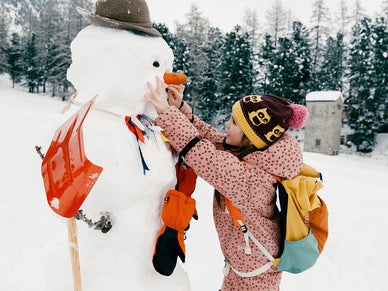
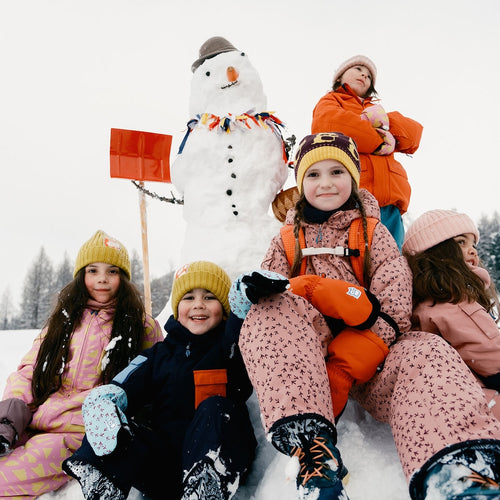
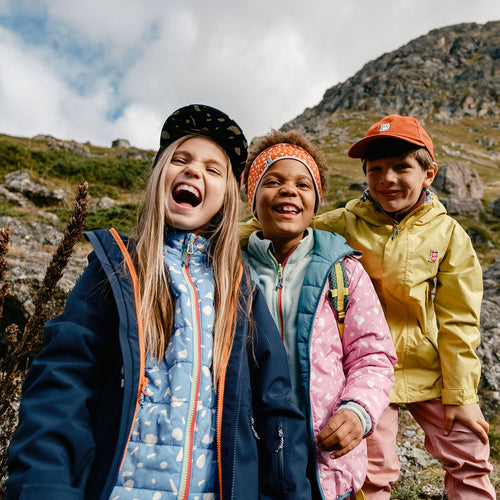

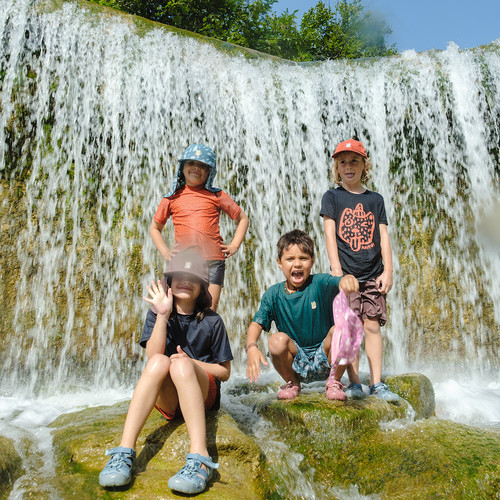
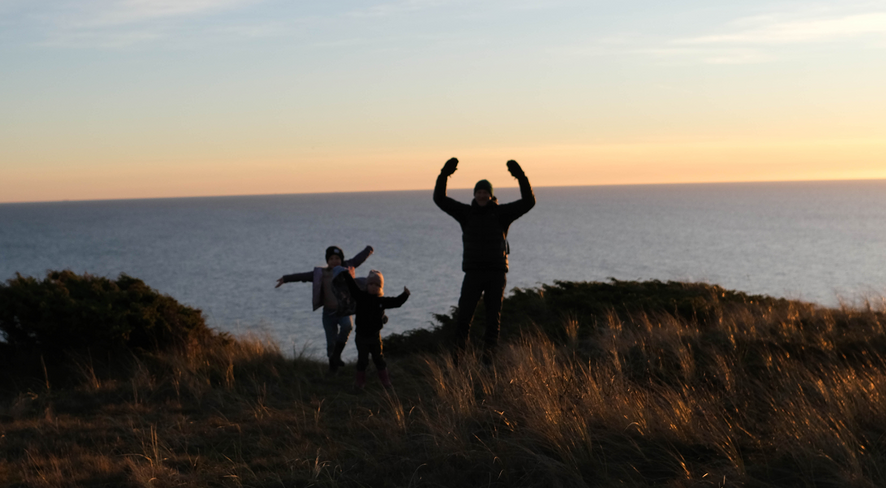
I interviewed a family from Germany who are currently living on a trial basis on a small island in Denmark. That was all I knew when Moritz and I set up our conversation. As I learned more about their story, my curiosity and excitement grew. I started making a long list of questions, but I soon realized I didn’t need them. Janne and Moritz spoke so joyfully about their lives with their two daughters, aged seven and four. Our two-hour conversation left me deeply inspired, and I believe others will feel the same when they hear their story.
We started our conversation on a deep note, with Janne saying, “The mother you want to be. The family. The parents. The life you want to live, without just functioning, without running constantly on a hamster wheel. Trying to break out of that was our starting point. The moment we realized we had to change something.”
“The battery kept running lower”
They studied, met, and spent many years living in the heart of Munich. Janne studied law, and Moritz studied sports communication. He worked as a managing editor, among other roles. “We were both very much on a career path,” Moritz tells me. “The bank account may have been full, but life somehow felt empty.” Both of them were working 60 to 70 hours a week. “Mostly, we were functioning for others. But for myself and for us, I wasn't making any real progress. Life no longer revolved around us. The battery just kept running lower.”
To me, they described feelings that many families share. Their first step off this “hamster wheel,” as Janne calls it, was moving to Lake Chiemsee, right into nature.
“I was completely burned out”
This decision meant both of them left their jobs. “Without a plan B,” as Moritz puts it. People around them thought they were crazy and called it madness. “We tried to explain that it wasn’t madness,” he says. “It was life.” They just knew something had to change. “I was completely burned out,” Moritz says. It was clear that Janne was the driving force. She says she has always been a free spirit, “someone who doesn’t mind stepping out of line.” Moritz puts it more romantically and says to Janne, “You’ve always had this admirable, deep sense of trust.” While he had always been more focused on security, over time he started to think differently, inspired by Janne and the people they met during their travels.
“We can’t spend the whole day inside a house”
“Then our first daughter was born, and then came Covid,” Moritz says, bringing my thoughts back to the pandemic. It was a time that made people reflect and change all over the world. For them, this was when they knew they wanted a different life for their family. A different system altogether.

“On top of that, our daughter told us when she was just three years old that she didn’t want to go to a regular school,” Janne says. The German school system did not fit their philosophy of life. Both children had attended a forest kindergarten, but there is still no similar nature-based option for school, especially in Germany. She says this applies not just to the children, but to them as parents too: “We can’t spend the whole day inside a house.”
After trying life in Portugal for a few months two years ago, they are now living on a small island between Denmark and Sweden. Only time will tell how long they will stay. Janne says she spent several weeks in Denmark every summer as a child with her parents. She calls it a “place of the heart” and even her “great love.”
“I love school”
Listening to Moritz and Janne talk about life on the island feels like stepping into an Astrid Lindgren story. Eighty percent of the island is a protected nature reserve. They buy fish directly from the fishing boats. The residents, only a few hundred in total, look out for each other. There are just seventeen children at the school and five in kindergarten. The children create with natural materials, and once a week there is outdoor school – a full day spent outside. “Our daughter comes home happy every single day,” Janne says. “She even says, ‘I love school.’” This was something they never thought possible. Everything feels very inclusive. As adults, they were also welcomed warmly into the local community.

I want to better understand what daily life is like in this place they call their “soul place.” Janne says they usually get around by bike. If Moritz wants to feel the wind and listen to the waves in the evening, he can reach the beach in just three minutes. In fact, they can choose between the north, south, or west beach.
Janne explains that living in a loud, fast-paced world affects you, and you often don’t notice it until you leave. “And then you live here,” she says, “and you realize how you begin to slow down.” It’s a real change of pace. She adds that the Danes are known for making things hyggely, truly living hygge. I hadn’t heard the term before, even though I spent many childhood vacations in Denmark. I learn that it means coziness, making things warm and comforting, and, as Janne says, “bringing light into the darker seasons.”
“Which berries should I pick first?”
The way Moritz tells me about their morning ritual of lighting the fire almost makes me feel as if I’m right there with them. “When it starts to crackle and hiss,” he says. I can practically hear it. They both say that life on the island gives them space and calm because “there are no distractions.” There’s no need to impress anyone. Their daily questions are simple: Which forest should we visit today? Which beach? The north or south hill? Or should we look for lingonberries, pick blackberries in summer, or search for mushrooms?

When I ask how much time they spend each day outdoors, Janne admits that, even with the beautiful surroundings, early darkness and school schedules can be tough. Sometimes, outdoor time still feels too short. On weekends, though, they are usually outside all day. “Then even baking Christmas cookies suddenly doesn’t matter anymore,” she says, “because it’s simply nicer outside.”
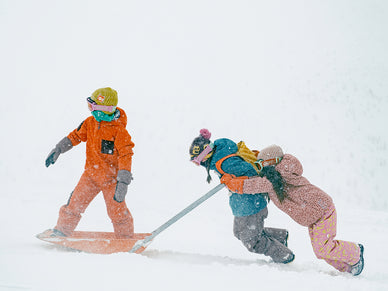
Moritz adds that adults can learn a lot from how children experience nature. “The idea of what outdoor time should look like is somehow dictated to us,” he says. He mentions the many apps and smartwatches that not only track our time outdoors, but also shape it. It often seems to be about performance. “But children show us that every day can be a blank page. You go outside and find your own way. They decide for themselves whether they want to spend half an hour with a little patch of moss, or a tree covered in old man’s beard, or whether they just want to run, run, run.”

“They simply lie down and celebrate nature”
Many adults see nature mostly as something to use. But from children, we can really learn how to enjoy it. “Children just sit down when they feel like it,” Moritz says. “It doesn’t matter if it’s in the sand or if it’s wet from the rain. They simply lie down and celebrate nature.” Adults, on the other hand, often worry about getting dirty. “The kids show us how it’s done,” he says. “Just lie down and enjoy it.”
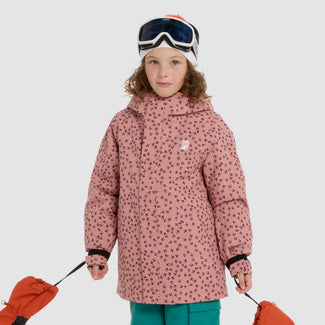
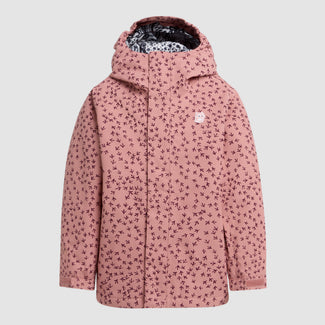
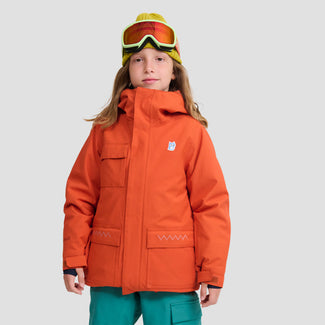
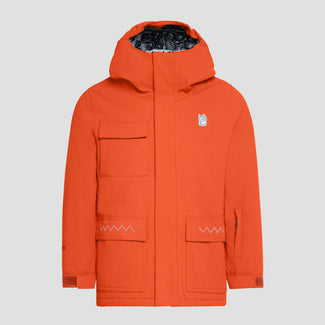
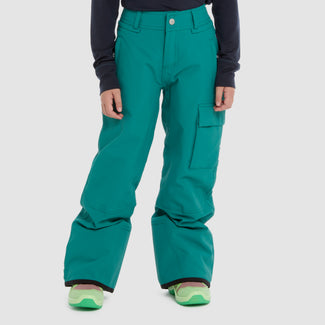
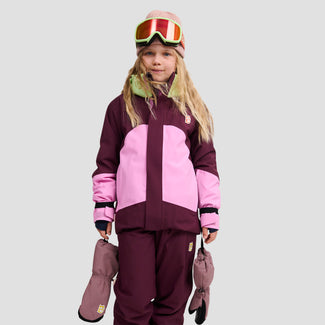
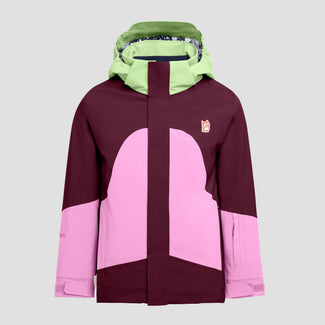
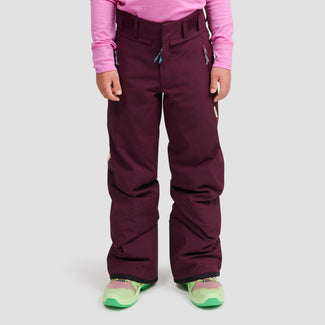
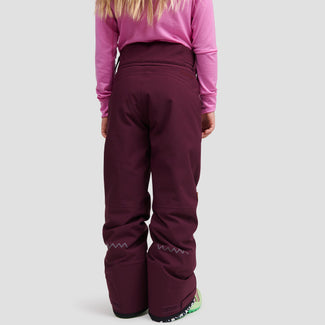
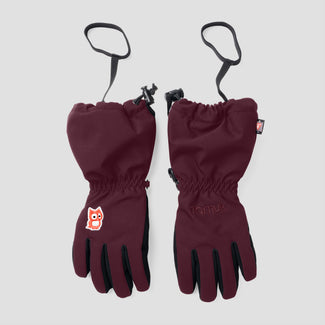
Moritz says this is why he believes in buying good gear. Without me even asking about their experience with the Owl or namuk, he shares: “At some point, we invested in this super-light Neo jacket. And it was actually the first jacket our daughter ever asked for herself.” Even though “children are the toughest testers of clothing,” this jacket has survived everything so far. Moritz says the Neo has made his life as a father much easier because he no longer has to convince anyone. “She always wanted to wear the ‘owl jacket.’” Janne and Moritz agree: “You can just tell that the clothing is truly made for children.” They also mention the design. Moritz sums it up like this: “They’re refined, nature-inspired, seriously beautiful colors.”

While preparing for this interview, I saw that Janne talks about “everyday adventures” on her Instagram, and Moritz writes on his agency’s website that he aims to “make every day as adventurous as possible.” I wanted to know what adventure means to them. Janne answers right away: “For me, it’s ‘no routine,’ ‘discovering something new,’ and above all, finding adventure in the small things.” She believes you don’t need a big journey to do that.
“That’s it. Adventure is freedom.”
Moritz answers, “At its core, an adventure is a venture with an uncertain outcome.” He quotes Benjamin Franklin and says, “Those who give up freedom to gain security will end up losing both.” Janne adds simply, “That’s it. Adventure is freedom.”
To finish, I want to know what sustainability means to them as a family, how they live it, and whether their children already understand it.
Janne immediately shares a very concrete moment she experienced with her older daughter just a few days earlier. Wanting to bring a bit more of a Christmas feeling into their home, she had ordered a white star from an online shop — a star that could just as easily be made by hand. “Today, our daughter asked me where the star came from, and whether I had made it myself,” Janne says. “When I told her it was bought, she replied, ‘Then I don’t like it as much.’” She even added that she finds handmade things much nicer and that they tend to last longer, too. “I think we also try to live sustainably in a way that stays in your mind,” Janne says. As a family, they consume very consciously. And when it comes to clothing, her focus is clearly on second-hand.
“Why didn’t you do it differently?”
Moritz says that when it comes to sustainability, he only truly trusts a company if he knows it’s part of the CEO’s DNA. “That they think in a future-oriented way,” he says. “That’s especially important to me. Our children will have to bear the consequences far more than we do. They will look at us and ask, ‘Why didn’t you do it differently?’ I want to avoid my children pointing at me one day and saying, ‘You knew.’”
At the end, he adds one last thought: “Children don’t listen to what you say. They watch what you live.” I find myself nodding. Even though this idea and responsibility can feel a bit overwhelming, it also means something else: a huge opportunity. What do you think?